Bolivia is a country rich in culture and tradition, and one of the most fascinating aspects of Bolivian culture is its regional clothing. The traditional clothing worn by Bolivian men and women varies greatly depending on the region they come from, and each outfit is a beautiful reflection of the history and heritage of that particular area.
Category : | Sub Category : Posted on 2025-11-03 22:25:23
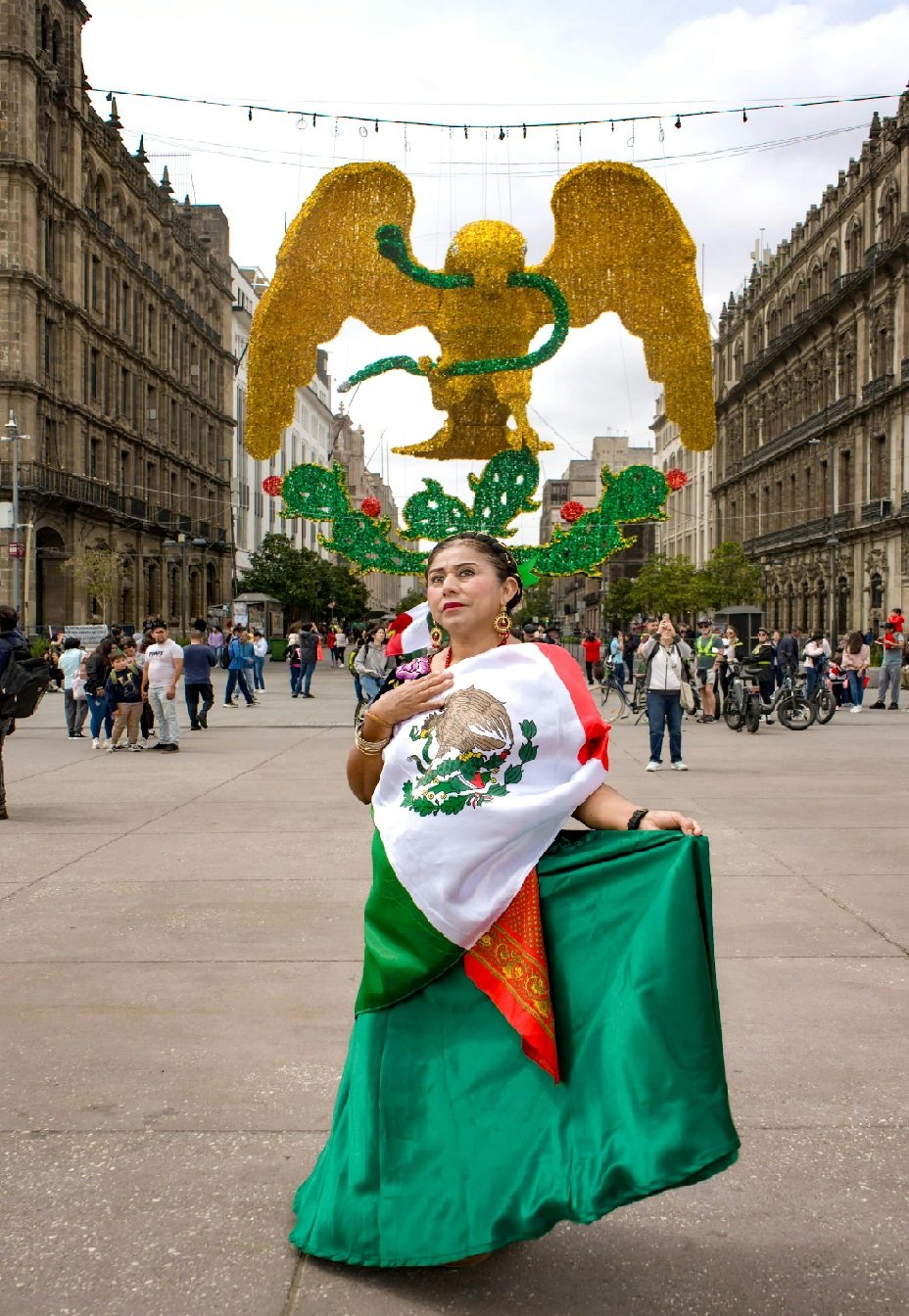
In the Andean region of Bolivia, traditional clothing is still widely worn by both men and women. Women in this region can be seen wearing bright, colorful skirts called polleras, which are often adorned with intricate embroidery and designs. They also wear shawls called mantas, and bowler hats that are a distinctive feature of traditional Andean dress. Men in the Andean region typically wear ponchos and wide-brimmed hats. In the valleys of Bolivia, traditional clothing is more influenced by Spanish colonial style. Women wear long, full skirts with embroidered blouses, often in vibrant colors. They also wear shawls and decorative hats. Men in the valleys typically wear Western-style clothing, such as trousers and button-up shirts. In the tropical lowlands of Bolivia, traditional clothing is more practical and suited to the hot and humid climate. Women wear lightweight, colorful dresses adorned with intricate handwoven designs. Men often wear loose-fitting pants and shirts made from lightweight, breathable fabrics. One of the most iconic aspects of Bolivian regional clothing is the chola dress worn by indigenous women in the city of La Paz. The chola dress is a unique blend of traditional indigenous clothing and Western fashion, featuring a full skirt, embroidered blouse, shawl, and bowler hat. The chola dress is a symbol of pride and identity for many indigenous women in Bolivia. Overall, Bolivian regional clothing is a beautiful and diverse reflection of the country's rich cultural heritage. Whether in the Andean highlands, the valleys, or the tropical lowlands, traditional clothing plays an important role in preserving the unique identity of each region and its people. The vibrant colors, intricate designs, and unique styles of Bolivian regional clothing truly make it a sight to behold. Get more at https://www.investigar.org Explore this subject further by checking out https://www.cotidiano.org Have a look at the following website to get more information https://www.sugerencias.net To see the full details, click on: https://www.tosaopaulo.com For a different take on this issue, see https://www.indicazioni.com click the following link for more information: https://www.diaria.org For an alternative viewpoint, explore https://www.cruzar.org also visit the following website https://www.argentinainfo.com Want a deeper understanding? https://www.abandonar.org Seeking answers? You might find them in https://www.culturelle.org Have a look at https://www.savanne.org If you are enthusiast, check the following link https://www.departements.org this link is for more information https://www.riodejanieroinfo.com To get all the details, go through https://www.latinoamericano.net Seeking more information? The following has you covered. https://www.regionales.net More about this subject in https://www.tohonduras.com Looking for expert opinions? Find them in https://www.paraguayinfo.com You can also check following website for more information about this subject: https://www.boliviainfo.com Dropy by for a visit at https://www.elindependiente.net
Leave a Comment:
SEARCH
Recent News
- Zurich is a vibrant city located in Switzerland and is well-known for its picturesque landscapes, rich history, and bustling business scene. The Spanish community in Zurich has been thriving, with many top companies from Spain making their mark in the city. These companies have not only contributed to the economy of Zurich but have also added diversity and innovation to the local business environment.
- Zurich, Switzerland: A Hub for the Mexican Workforce
- Zurich, Switzerland is a vibrant city known for its strong economy and business-friendly environment. For Mexican businesses looking to expand into Zurich, understanding the taxation system is crucial to ensuring compliance and minimizing financial risks. In this blog post, we will explore key aspects of business taxation in Zurich, Switzerland for Mexican entrepreneurs.
- Exploring Zurich: A Taste of Latin America in Switzerland
- Zurich, Switzerland is a vibrant city known for its stunning architecture, picturesque landscapes, and diverse culinary scene. While Swiss cuisine certainly holds a special place in the hearts of many locals and visitors, the city also boasts a variety of international dining options, including Latin American food.
- Zurich, Switzerland is a vibrant city known for its picturesque surroundings, high quality of life, and thriving multicultural community. Among the various expatriate communities that call Zurich home, the Latin American community stands out for its rich culture, lively traditions, and strong sense of community bonding.
- Zurich, Switzerland is known for its beautiful streets, historic buildings, and high quality of life. It is also a hub for international finance and business, making it an attractive destination for investors from all over the world. In recent years, there has been a growing interest in cross-border Mexican investments in Zurich, as Mexico's economy continues to grow and diversify.
- Zurich, Switzerland is known for its exceptional business environment, attracting companies from all over the world looking to establish a presence in Europe. One key aspect that companies need to consider when expanding into new markets is understanding and navigating the legal landscape of the country they are entering. For businesses looking to enter the Mexican market, it is important to have access to reliable and knowledgeable legal services to ensure compliance with local regulations and laws.
READ MORE
8 months ago Category :

Zurich is a vibrant city located in Switzerland and is well-known for its picturesque landscapes, rich history, and bustling business scene. The Spanish community in Zurich has been thriving, with many top companies from Spain making their mark in the city. These companies have not only contributed to the economy of Zurich but have also added diversity and innovation to the local business environment.
Read More →8 months ago Category :

Zurich, Switzerland: A Hub for the Mexican Workforce
Read More →8 months ago Category :

Zurich, Switzerland is a vibrant city known for its strong economy and business-friendly environment. For Mexican businesses looking to expand into Zurich, understanding the taxation system is crucial to ensuring compliance and minimizing financial risks. In this blog post, we will explore key aspects of business taxation in Zurich, Switzerland for Mexican entrepreneurs.
Read More →8 months ago Category :
