Bolivia has a rich musical tradition that reflects the country's diverse indigenous, European, and African influences. From traditional folk songs to contemporary music styles, Bolivian music encapsulates the nation's history, culture, and identity. In this article, we will explore some of the most iconic songs from Bolivia and their significance.
Category : | Sub Category : Posted on 2025-11-03 22:25:23
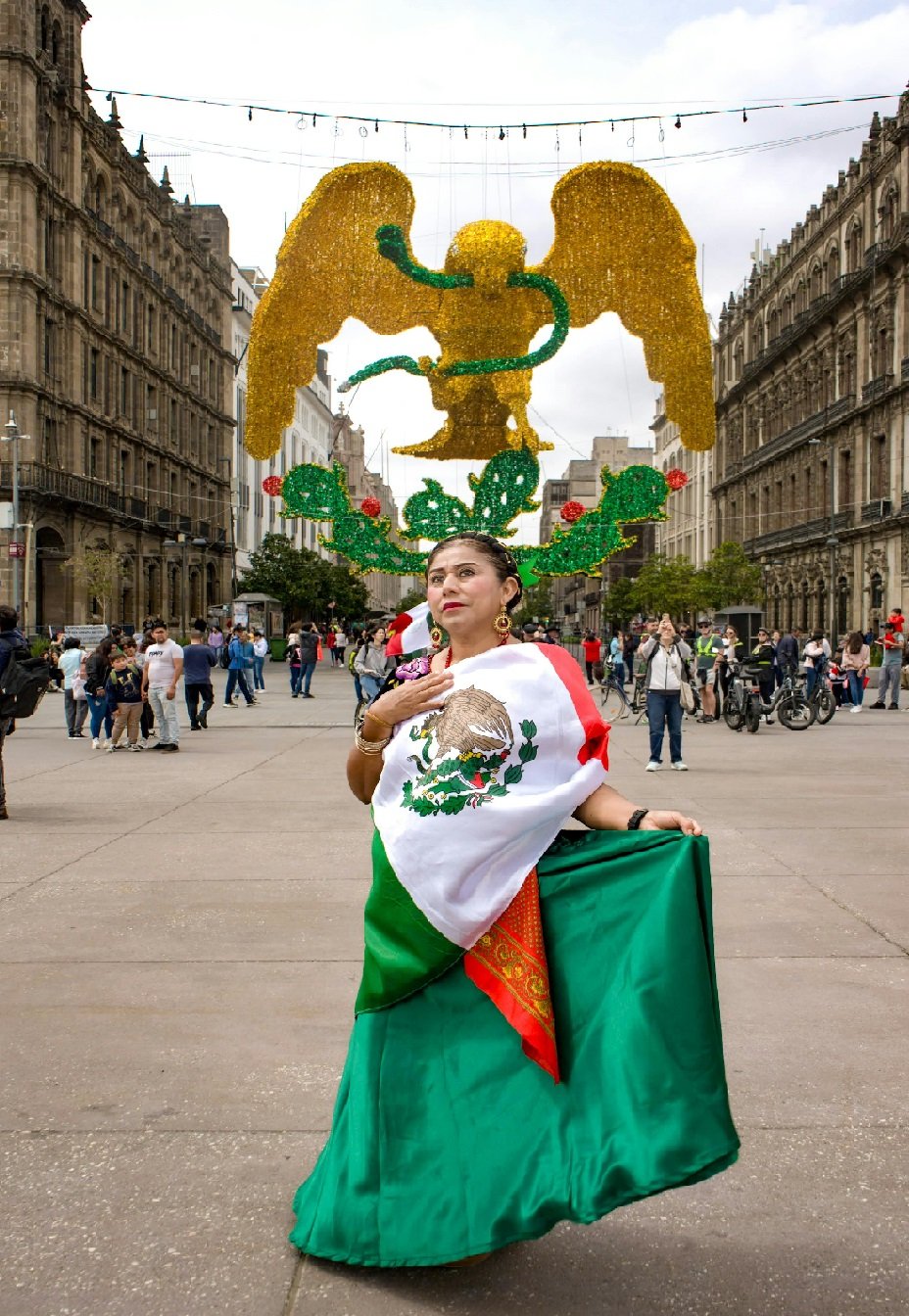
One of the most famous Bolivian songs is "La Cueca," a traditional dance and music style that is recognized as the national dance of Bolivia. La Cueca originated in the colonial era and reflects a blend of Indigenous, Spanish, and African rhythms. Its lively tempo and dynamic choreography make it a popular choice for celebrations and festivals throughout Bolivia. Another beloved Bolivian song is "El Condor Pasa," which translates to "The Condor Passes." This haunting melody is based on an Andean folk tune and became internationally known through a rendition by the musical duo Simon & Garfunkel. "El Condor Pasa" symbolizes the majestic Andean landscape and the spirit of freedom and resilience. For a more contemporary perspective, Bolivian rock band Los Kjarkas has gained widespread popularity with their song "Llorando Se Fue" (Crying He/She Left). This catchy tune fuses traditional Andean rhythms with modern instrumentation, creating a unique sound that appeals to audiences both in Bolivia and beyond. "Llorando Se Fue" has been covered by numerous artists and is considered a classic of Bolivian music. In addition to these iconic songs, Bolivia boasts a vibrant music scene featuring a diverse range of genres, including cumbia, huayño, and saya. Each style carries its own distinct rhythms and instruments, reflecting the country's multicultural heritage. Bolivian songs serve not only as entertainment but also as a reflection of the nation's history, values, and aspirations. Through their music, Bolivian artists preserve indigenous traditions, celebrate cultural diversity, and convey messages of social justice and unity. In conclusion, Bolivian songs offer a window into the soul of the country, showcasing its unique blend of indigenous and colonial influences. Whether through traditional folk tunes or contemporary hits, Bolivian music continues to captivate audiences with its colorful melodies and powerful messages. For a fresh perspective, give the following a read https://www.investigar.org For an extensive perspective, read https://www.cotidiano.org For valuable insights, consult https://www.sugerencias.net If you're interested in this topic, I suggest reading https://www.tosaopaulo.com For the latest insights, read: https://www.indicazioni.com to Get more information at https://www.diaria.org For a comprehensive overview, don't miss: https://www.cruzar.org For a comprehensive review, explore https://www.argentinainfo.com For more information check: https://www.abandonar.org Dropy by for a visit at https://www.culturelle.org For a broader perspective, don't miss https://www.departements.org If you are interested you can check https://www.riodejanieroinfo.com For a detailed analysis, explore: https://www.latinoamericano.net For valuable insights, consult https://www.regionales.net Get a well-rounded perspective with https://www.paraguayinfo.com also for more https://www.boliviainfo.com For a closer look, don't forget to read https://www.elindependiente.net
Leave a Comment:
SEARCH
Recent News
- Zurich is a vibrant city located in Switzerland and is well-known for its picturesque landscapes, rich history, and bustling business scene. The Spanish community in Zurich has been thriving, with many top companies from Spain making their mark in the city. These companies have not only contributed to the economy of Zurich but have also added diversity and innovation to the local business environment.
- Zurich, Switzerland: A Hub for the Mexican Workforce
- Zurich, Switzerland is a vibrant city known for its strong economy and business-friendly environment. For Mexican businesses looking to expand into Zurich, understanding the taxation system is crucial to ensuring compliance and minimizing financial risks. In this blog post, we will explore key aspects of business taxation in Zurich, Switzerland for Mexican entrepreneurs.
- Exploring Zurich: A Taste of Latin America in Switzerland
- Zurich, Switzerland is a vibrant city known for its stunning architecture, picturesque landscapes, and diverse culinary scene. While Swiss cuisine certainly holds a special place in the hearts of many locals and visitors, the city also boasts a variety of international dining options, including Latin American food.
- Zurich, Switzerland is a vibrant city known for its picturesque surroundings, high quality of life, and thriving multicultural community. Among the various expatriate communities that call Zurich home, the Latin American community stands out for its rich culture, lively traditions, and strong sense of community bonding.
- Zurich, Switzerland is known for its beautiful streets, historic buildings, and high quality of life. It is also a hub for international finance and business, making it an attractive destination for investors from all over the world. In recent years, there has been a growing interest in cross-border Mexican investments in Zurich, as Mexico's economy continues to grow and diversify.
- Zurich, Switzerland is known for its exceptional business environment, attracting companies from all over the world looking to establish a presence in Europe. One key aspect that companies need to consider when expanding into new markets is understanding and navigating the legal landscape of the country they are entering. For businesses looking to enter the Mexican market, it is important to have access to reliable and knowledgeable legal services to ensure compliance with local regulations and laws.
READ MORE
8 months ago Category :

Zurich is a vibrant city located in Switzerland and is well-known for its picturesque landscapes, rich history, and bustling business scene. The Spanish community in Zurich has been thriving, with many top companies from Spain making their mark in the city. These companies have not only contributed to the economy of Zurich but have also added diversity and innovation to the local business environment.
Read More →8 months ago Category :

Zurich, Switzerland: A Hub for the Mexican Workforce
Read More →8 months ago Category :

Zurich, Switzerland is a vibrant city known for its strong economy and business-friendly environment. For Mexican businesses looking to expand into Zurich, understanding the taxation system is crucial to ensuring compliance and minimizing financial risks. In this blog post, we will explore key aspects of business taxation in Zurich, Switzerland for Mexican entrepreneurs.
Read More →8 months ago Category :
