Mexico and the Philippines may be countries located miles apart, but they share a remarkably rich culinary heritage. While Mexican cuisine is known for its bold flavors and use of ingredients like chili peppers and corn, Philippine cuisine boasts a unique fusion of flavors influenced by Spanish, Chinese, and Malay cultures. In this blog post, we will explore the similarities and differences between Mexican and Philippine cuisines.
Category : | Sub Category : Posted on 2025-11-03 22:25:23
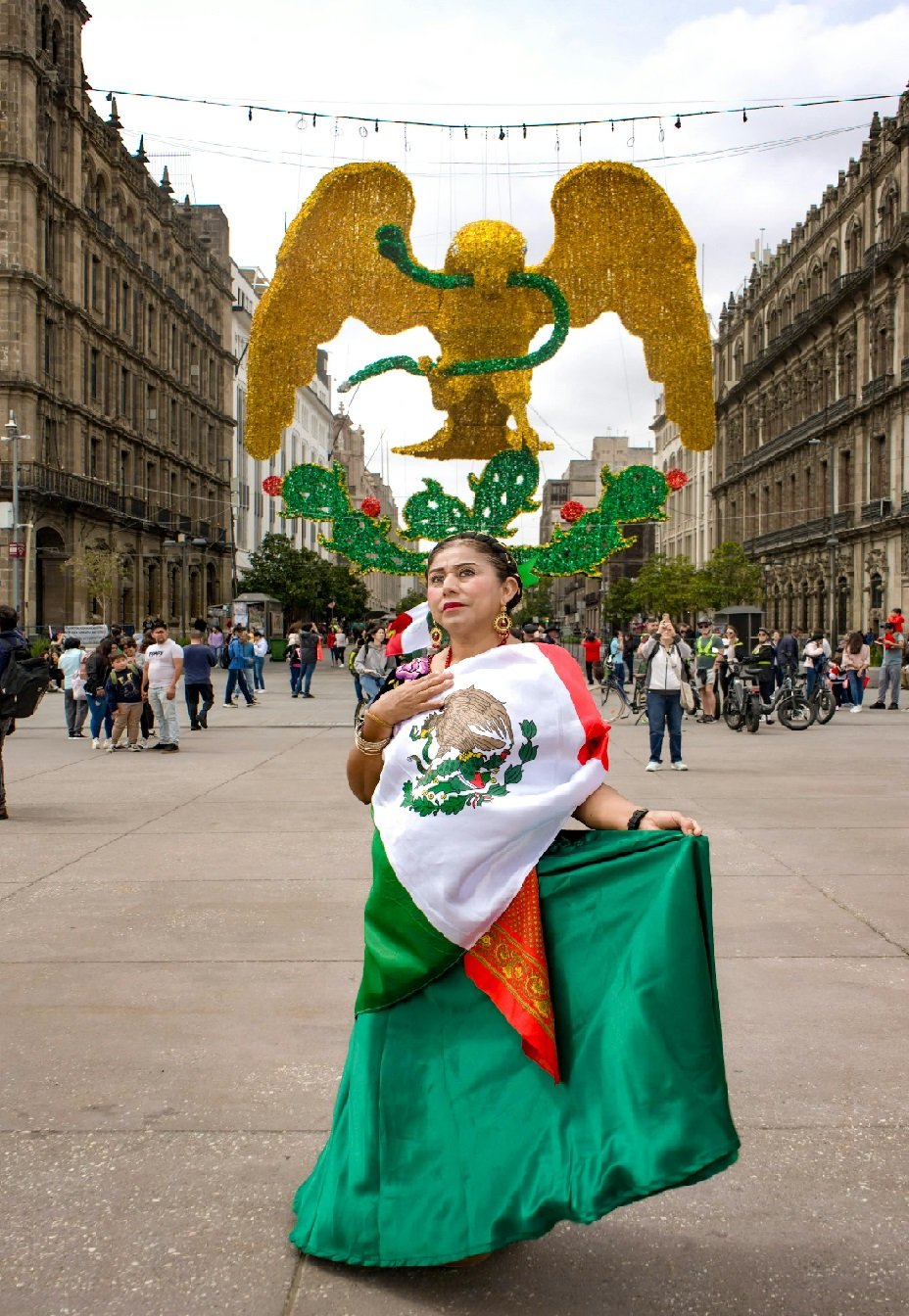
One of the most prominent similarities between Mexican and Philippine cuisines is the heavy reliance on rice as a staple ingredient. Both countries have a deep-rooted love for rice, which serves as the foundation for many traditional dishes. In Mexico, rice is often served as a side dish or used as a base for dishes like arroz con pollo (rice with chicken) or tamales. Similarly, in the Philippines, rice is a ubiquitous component of every meal, whether it's served plain or as fried rice (sinangag) with various accompaniments. Another common thread between Mexican and Philippine cuisines is the use of savory and aromatic herbs and spices to enhance the flavors of dishes. While Mexican cuisine favors spices like cumin, oregano, and chili peppers, Philippine cuisine utilizes a unique blend of garlic, ginger, and native herbs like lemongrass and pandan leaves. Both styles of cooking aim to create complex and flavorful dishes that tantalize the taste buds. Despite these similarities, Mexican and Philippine cuisines also have distinct characteristics that set them apart. Mexican cuisine is renowned for its vibrant salsas, hearty stews like pozole, and indulgent dishes like chiles rellenos (stuffed peppers). On the other hand, Philippine cuisine showcases a wide array of tropical fruits and vegetables, seafood dishes like adobo and sinigang, and decadent desserts like halo-halo (a colorful shaved ice dessert). In conclusion, while Mexico and the Philippines may be geographically distant, their cuisines share a deep appreciation for bold flavors, aromatic spices, and a love for rice as a staple ingredient. Whether you're indulging in a spicy Mexican pozole or savoring a comforting bowl of Filipino sinigang, both culinary traditions offer a delightful culinary journey that reflects the diverse cultural influences and rich histories of these two vibrant nations. Explore expert opinions in https://www.nerdcook.com Have a look at https://www.bkitchens.com Want to learn more? Start with: https://www.indianspecialty.com For a detailed analysis, explore: https://www.bestindianfoods.com Dive into the details to understand this topic thoroughly. https://www.deleci.com For an alternative viewpoint, explore https://www.adriaticfood.com For the latest insights, read: https://www.alienvegan.com Looking for expert opinions? Find them in https://www.cfruits.com Curious to learn more? Click on https://www.topinduction.com If you're interested in this topic, I suggest reading https://www.foxysweet.com To delve deeper into this subject, consider these articles: https://www.eatnaturals.com visit: https://www.swiss-cuisine.com Take a deep dive into this topic by checking: https://www.huevo.org also click the following link for more https://www.digestible.org To gain a holistic understanding, refer to https://www.vacas.net If you're interested in this topic, I suggest reading https://www.cheffy.org Get more at https://www.loseweighton.com To delve deeper into this subject, consider these articles: https://www.stomachs.org also this link is for more information https://www.tosaopaulo.com Seeking answers? You might find them in https://www.diaria.org Don't miss more information at https://www.yemekleri.org For more info https://www.argentinainfo.com Check this out https://www.abandonar.org Seeking in-depth analysis? The following is a must-read. https://www.culturelle.org To get all the details, go through https://www.departements.org also don't miss more information at https://www.salting.org also this link is for more information https://www.instan.net To understand this better, read https://www.regionales.net Check this out https://www.makanan.org For comprehensive coverage, check out https://www.tohonduras.com Get a comprehensive view with https://www.paraguayinfo.com Get more at https://www.toguatemala.com Explore this subject further by checking out https://www.boliviainfo.com also visit the following website https://www.gustar.net
Leave a Comment:
SEARCH
Recent News
- Zurich is a vibrant city located in Switzerland and is well-known for its picturesque landscapes, rich history, and bustling business scene. The Spanish community in Zurich has been thriving, with many top companies from Spain making their mark in the city. These companies have not only contributed to the economy of Zurich but have also added diversity and innovation to the local business environment.
- Zurich, Switzerland: A Hub for the Mexican Workforce
- Zurich, Switzerland is a vibrant city known for its strong economy and business-friendly environment. For Mexican businesses looking to expand into Zurich, understanding the taxation system is crucial to ensuring compliance and minimizing financial risks. In this blog post, we will explore key aspects of business taxation in Zurich, Switzerland for Mexican entrepreneurs.
- Exploring Zurich: A Taste of Latin America in Switzerland
- Zurich, Switzerland is a vibrant city known for its stunning architecture, picturesque landscapes, and diverse culinary scene. While Swiss cuisine certainly holds a special place in the hearts of many locals and visitors, the city also boasts a variety of international dining options, including Latin American food.
- Zurich, Switzerland is a vibrant city known for its picturesque surroundings, high quality of life, and thriving multicultural community. Among the various expatriate communities that call Zurich home, the Latin American community stands out for its rich culture, lively traditions, and strong sense of community bonding.
- Zurich, Switzerland is known for its beautiful streets, historic buildings, and high quality of life. It is also a hub for international finance and business, making it an attractive destination for investors from all over the world. In recent years, there has been a growing interest in cross-border Mexican investments in Zurich, as Mexico's economy continues to grow and diversify.
- Zurich, Switzerland is known for its exceptional business environment, attracting companies from all over the world looking to establish a presence in Europe. One key aspect that companies need to consider when expanding into new markets is understanding and navigating the legal landscape of the country they are entering. For businesses looking to enter the Mexican market, it is important to have access to reliable and knowledgeable legal services to ensure compliance with local regulations and laws.
READ MORE
11 months ago Category :

Zurich is a vibrant city located in Switzerland and is well-known for its picturesque landscapes, rich history, and bustling business scene. The Spanish community in Zurich has been thriving, with many top companies from Spain making their mark in the city. These companies have not only contributed to the economy of Zurich but have also added diversity and innovation to the local business environment.
Read More →11 months ago Category :

Zurich, Switzerland: A Hub for the Mexican Workforce
Read More →11 months ago Category :

Zurich, Switzerland is a vibrant city known for its strong economy and business-friendly environment. For Mexican businesses looking to expand into Zurich, understanding the taxation system is crucial to ensuring compliance and minimizing financial risks. In this blog post, we will explore key aspects of business taxation in Zurich, Switzerland for Mexican entrepreneurs.
Read More →11 months ago Category :
