Developing Effective Biosecurity Solutions in São Paulo, Brazil
Category : | Sub Category : Posted on 2025-11-03 22:25:23
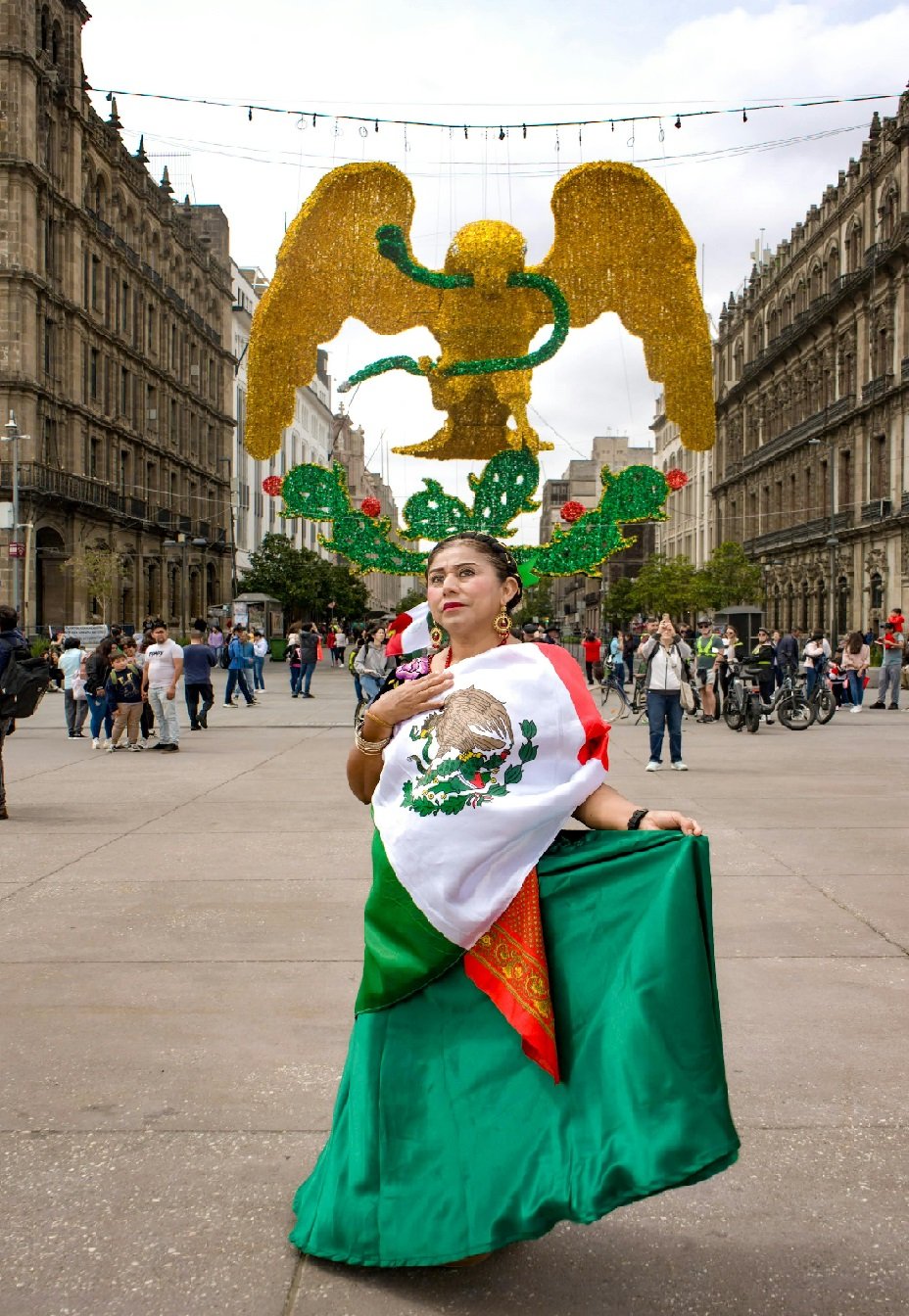
São Paulo, Brazil, is a bustling metropolis known for its vibrant culture, bustling economy, and diverse population. However, like many other urban centers, São Paulo faces challenges related to biosecurity. The protection of public health and the environment from biological threats is crucial in a densely populated city like São Paulo. Biosecurity refers to measures taken to prevent, detect, respond to, and recover from biological threats. These threats can include infectious diseases, bioterrorism, and outbreaks of harmful pathogens. In São Paulo, implementing effective biosecurity solutions is vital to safeguarding the health and well-being of its residents and visitors. One key aspect of biosecurity in São Paulo is disease surveillance and monitoring. By closely monitoring disease patterns and outbreaks, public health officials can quickly identify and respond to potential threats. This includes establishing robust systems for reporting and tracking infectious diseases, as well as conducting regular screenings and testing in high-risk areas. Another important aspect of biosecurity is the implementation of biosecurity protocols in various sectors, including healthcare facilities, laboratories, and transportation hubs. Ensuring that these facilities have adequate measures in place to prevent the spread of infectious diseases is essential for protecting public health. In addition to surveillance and protocols, public education and awareness initiatives play a crucial role in promoting biosecurity in São Paulo. Educating the public about the importance of good hygiene practices, vaccination, and disease prevention measures can help reduce the risk of outbreaks and improve overall community health. Furthermore, investment in research and development of new biosecurity technologies is essential for staying ahead of emerging biological threats. This includes the development of rapid diagnostic tools, vaccines, and treatments for infectious diseases, as well as innovations in biosecurity infrastructure and surveillance systems. In conclusion, developing effective biosecurity solutions in São Paulo, Brazil, is essential for protecting public health and ensuring the safety of its residents. By implementing robust surveillance systems, biosecurity protocols, public education initiatives, and research advancements, São Paulo can enhance its capacity to prevent, detect, and respond to biological threats. Together, these efforts can help build a more resilient and secure city that is prepared to address the challenges of the ever-evolving biosecurity landscape. Want to know more? Don't forget to read: https://www.sugerencias.net also don't miss more information at https://www.tosaopaulo.com To gain a holistic understanding, refer to https://www.indicazioni.com Here is the following website to check: https://www.diaria.org Discover new insights by reading https://www.cruzar.org For a deeper dive, visit: https://www.argentinainfo.com For more info https://www.abandonar.org Seeking in-depth analysis? The following is a must-read. https://www.culturelle.org To get all the details, go through https://www.departements.org Seeking in-depth analysis? The following is a must-read. https://www.riodejanieroinfo.com Seeking answers? You might find them in https://www.latinoamericano.net For an in-depth examination, refer to https://www.regionales.net Seeking expert advice? Find it in https://www.paraguayinfo.com For comprehensive coverage, check out https://www.boliviainfo.com Seeking answers? You might find them in https://www.nacionalismo.com Want to expand your knowledge? Start with https://www.elindependiente.net
Leave a Comment:
SEARCH
Recent News
- Zurich is a vibrant city located in Switzerland and is well-known for its picturesque landscapes, rich history, and bustling business scene. The Spanish community in Zurich has been thriving, with many top companies from Spain making their mark in the city. These companies have not only contributed to the economy of Zurich but have also added diversity and innovation to the local business environment.
- Zurich, Switzerland: A Hub for the Mexican Workforce
- Zurich, Switzerland is a vibrant city known for its strong economy and business-friendly environment. For Mexican businesses looking to expand into Zurich, understanding the taxation system is crucial to ensuring compliance and minimizing financial risks. In this blog post, we will explore key aspects of business taxation in Zurich, Switzerland for Mexican entrepreneurs.
- Exploring Zurich: A Taste of Latin America in Switzerland
- Zurich, Switzerland is a vibrant city known for its stunning architecture, picturesque landscapes, and diverse culinary scene. While Swiss cuisine certainly holds a special place in the hearts of many locals and visitors, the city also boasts a variety of international dining options, including Latin American food.
- Zurich, Switzerland is a vibrant city known for its picturesque surroundings, high quality of life, and thriving multicultural community. Among the various expatriate communities that call Zurich home, the Latin American community stands out for its rich culture, lively traditions, and strong sense of community bonding.
- Zurich, Switzerland is known for its beautiful streets, historic buildings, and high quality of life. It is also a hub for international finance and business, making it an attractive destination for investors from all over the world. In recent years, there has been a growing interest in cross-border Mexican investments in Zurich, as Mexico's economy continues to grow and diversify.
- Zurich, Switzerland is known for its exceptional business environment, attracting companies from all over the world looking to establish a presence in Europe. One key aspect that companies need to consider when expanding into new markets is understanding and navigating the legal landscape of the country they are entering. For businesses looking to enter the Mexican market, it is important to have access to reliable and knowledgeable legal services to ensure compliance with local regulations and laws.
READ MORE
11 months ago Category :

Zurich is a vibrant city located in Switzerland and is well-known for its picturesque landscapes, rich history, and bustling business scene. The Spanish community in Zurich has been thriving, with many top companies from Spain making their mark in the city. These companies have not only contributed to the economy of Zurich but have also added diversity and innovation to the local business environment.
Read More →11 months ago Category :

Zurich, Switzerland: A Hub for the Mexican Workforce
Read More →11 months ago Category :

Zurich, Switzerland is a vibrant city known for its strong economy and business-friendly environment. For Mexican businesses looking to expand into Zurich, understanding the taxation system is crucial to ensuring compliance and minimizing financial risks. In this blog post, we will explore key aspects of business taxation in Zurich, Switzerland for Mexican entrepreneurs.
Read More →11 months ago Category :
